Configuration Management Systems on the Desktop

summary
An NGO in Cambodia uses Puppet Open Source to manage about 300 desktops and laptops across five sites, claiming rollouts to all sites in a few hours. The setup relies on agent-based check-ins so roaming laptops pull configuration, a MAC-to-hostname mapping that auto-generates unique SSH keys, and an ad-hoc torrent distribution of large images (Transmission module) to deliver a 4 GB Windows image. Issues include nodes powering off mid-update, duplicate keys from cloned images, and occasional manual babysitting.
AI-written summary · about
chapters (6)
- 0:00Start
- 3:29Formal Tools ...but formal tools offer the advantage of scalability, version control and, often, roll back of changes.
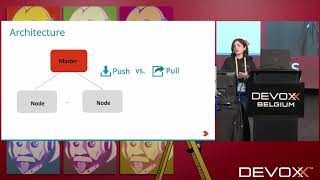
- 4:44o We chose Puppet • agent-based means that roaming laptops can still download and apply configurations • easy to put modified files and
- 9:09Puppet assumes: • nodes will stay up for the duration of the puppet run • keys are well managed • the desired state of the machine is definable and well known
- 9:53Nodes don't stay up Power goes out Students shut down laptops. Class is over.
- 10:58The state of the machine is not always well defined. Security updates, updates to Chrome - important. On a desktop there are too many to test and precisely select.
related talks
 14mEfficient Linux Client Management
 13mConfig Management for Programmers: How to Set Up Virtual Machines the Easy Way
 01h 19mThe Business of Configuration Management
 43mAutomated server management with open source tools
 25mConfiguration Management vs. Workflows vs. Orchestration
 35mManaging a fleet of Linux desktops with Ansible
 32mThe Necessity of Configuration and System Management Tools
 30mConfiguration Management Patterns