Cybersecurity Data Science (CSDS): Emerging Trends
summary
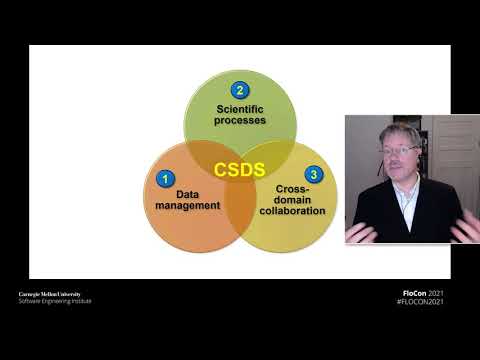
Research interviews with 50 cybersecurity data scientists map three practical pillars: data engineering, analytic science, and cross-team collaboration, and identify eight applied domains (deep learning, graph analytics, NLP/semantic engineering, time-series forecasting; fraud/forensics, bio/epidemiological methods, behavioral/economic models, risk management). A Google Cloud case study shows cloud-based big‑data analytics deployed for NYC Cyber Command. Results: deep learning is promising but needs very large labeled sets and has explainability limits; adversaries mirror defenders—13 adversarial trends include ML-powered offense, poisoning and automated pentesting, and state hiring of data scientists.
AI-written summary · about
chapters (9)
- 0:00Introduction to CSDS research
- 3:12What is cybersecurity data science
- 7:30Case study New York City cyber command
- 8:12Methods used in cybersecurity data science
- 16:29Disciplines applied in cybersecurity
- 21:50Emerging threat trends analysis
- 25:01Defining the modern user
- 27:49Conclusion and future research
- 28:27Q&A session