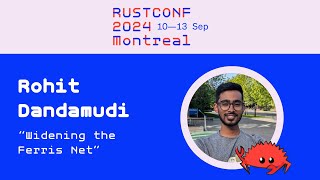
Reflection on the humans powering Rust ecosystem

summary
Analyzes one year of pull requests from rustc rust-analyzer cargo after removing bots, enriches author records with location via geography3 and manual ISO annotation, NER and a names API to infer likely gender, then builds directed and undirected social graphs. Finds low reciprocity with a few reviewers doing most reviews, high centrality concentrated in the top two contributors, unexpected contributor presence from Romania Iran and Taiwan, low women participation, sparse networks, and a GitHub membership gap that leaves some active contributors without organization equity; measures include reciprocity and Blau index.
AI-written summary · about
chapters (8)
- 0:00Introduction and motivation
- 1:41Data collection methodology
- 4:17Geographic and project analysis
- 6:38Gender and membership trends
- 8:00Social network structures
- 10:43Quantitative network metrics
- 14:17Study limitations and future work
- 17:26Community initiatives and conclusion