Reactive Declarative UI as Code - Trend and Healthy competition

summary
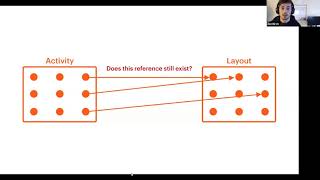
Argues that UI as code plus reactive, one-way data flow yields smaller, cleaner, more testable Android UIs and lets compilers optimize for native performance; demonstrates a concrete bug class where two async futures resolve and one rejects, causing state mismatch in imperative XML but not in declarative code. Cites frameworks like Flutter and React Native, mentions Flutter ~1.7 and a 10 MB hello world example to show abstraction savings, and claims the ecosystem competition produces faster dev cycles and easier migration between toolchains.
AI-written summary · about
chapters (7)
- 0:00Introduction and welcome
- 3:06What is declarative UI
- 9:15What is UI as code
- 15:10Why UI as code is trendy
- 19:11Cleaner and testable code
- 20:38Healthy competition in frameworks
- 24:32Future of UI development
related talks
 40mRethinking UI: Imperative to Declarative
 34mFunctional UIs and Unidirectional Dataflow
 01h 10mThe Evolution of Declarative UI Frameworks: From Dinosaurs to Jetpack Compose
 16mThe Declarative Mindset
 23mThe State of One Codebase For All The Platforms
 40mReactive Programming: A Better Way To Write Frontend Applications
 38mEssential concepts to know when learning Declarative UI
 39mCross-platform UI Engines Rendering Performance