Be My Eyes - Leveraging Generative AI to help the blind and visually impaired people

summary
A hobby project builds a wearable camera plus push‑button device that captures images, encodes them to base64 and sends them to an OpenAI vision model, then converts the model’s captions to audio with pyttsx3, returning descriptions in about 2–3 seconds and showing roughly 80% accuracy on demo shots. Hardware uses a Raspberry Pi prototype with camera, speaker and optional GSM/powerbank; scaling adds Redpanda/Kafka streaming for central LLM inference, alerts for falls or geofence breaches.
AI-written summary · about
chapters (8)
- 0:00Introduction to the talk
- 3:48Personal inspiration behind the project
- 13:03Generative AI making AI accessible
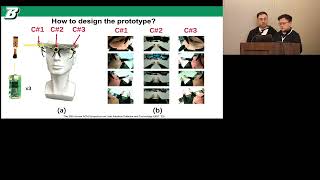
- 18:47Designing the wearable device
- 23:26Hardware and software choices
- 33:54Scaling with streaming data
- 40:16Future potential and impact
- 41:22Q&A session
related talks
 06mAiSee: An Assistive Wearable Device to Support Visually Impaired Grocery Shoppers
 09mSmart Glasses for the blind
 20mNew User Interface - Part 1
 34mAI and Accessibility: the Good, the Bad, and the Bollocks
 10mSignGlass: First-Person View Comprehensive and Generalizable ASL Translation Using Wearable Glass
 49mThe impact of AI on people with disabilities
 46mBuilding accessible experiences with AI
 09mImageAlly: A Human-AI Hybrid Approach to Support Blind People in Detecting...