The Hare and the Tortoise Open Source, Standards & Technical Debt

summary
Argument: staying near the state of the art and contributing to open source reduces long-term technical debt; examples: the September Let's Encrypt X3 expiry makes Ubuntu 16.04-based containers distrust certs and causes a Rancher 1.6 outage that could have forced full re‑architecture. Use immutability and loose coupling to isolate upgrades, delegate low-level debt to cloud providers, and prefer stable interfaces. Practical tools shown: eBPF instrumentation with projects like Cilium, Hubble, Tetragon and Falco to gain observability and avoid invasive app changes.
AI-written summary · about
chapters (15)
- 0:00Intro
- 1:24The Hare & the Tortoise
- 1:58Technical Debt
- 3:12Time to pay!
- 8:37Open Source & Standards
- 15:03Immutability
- 18:26Public Cloud
- 19:57Team Topologies
- 24:22More Haste, less Speed
- 25:39The Three Ways of DevOps
- 28:01Betting on the right Horse
- 28:38The right time to adopt
- 29:49Stability & Loose Coupling
- 34:35eBPF Projects
- 36:17eBPF resources
related talks
 41mArchitecting for the Long Haul: Technical Strategies for Sustainable Open-Source Support Models
 42mOpen Source at a Crossroads
 36mState of Open Source in 2024
 42mIf I Could Turn Back Time - What Open Source and Tech History Tells Us About the F...
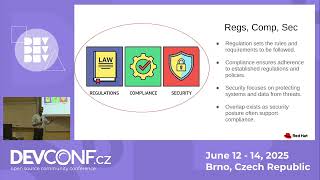 45mRegulated and Sovereign : Impact to the Open Source Developer
 32mMastering Enterprise Open Source for Cloud and Vendor Independence
 33mThe Cathedral, the Bazaar, and the Coffee House
 40mOpen Source Is Not the Same Anymore