Not Quite Water Under the Bridge

summary
Survey of cross-chain bridge failures shows concrete exploits and how they work: attackers use custodian vault admin takeover by replaying encoded calldata across chains to gain privileged access; unchecked proof-of-burn bytes create replayable proofs that allow multiple withdrawals; a plug-in verifier that accepts any signature lets attackers mint unlimited wrapped tokens; event-reading communicators are vulnerable to event oracle poisoning by submitting duplicate events; permit fallbacks that never revert let bridges drain approved ERC‑20s; a mining reorg could enable multi-million dollar double-spends.
AI-written summary · about
chapters (10)
- 0:00Introduction
- 1:24What is a bridge
- 2:15How do bridges work
- 6:09Attacking the custodian
- 8:03Crosschain function calls
- 10:37Proof of burn
- 13:35Communicator
- 14:28Ethereum Read Events
- 15:51Revoking Approvals
- 17:06Potential Big Picture Attacks
related talks
 11mCommon Vulnerabilities in Bridges
 43mOutsmarting Smart Contracts
 38mUnifying Blockchains: Innovations for Seamless Interoperability
 15mExamining Bridging Behavior Using On-Chain Analytics
 25mCommSec D2 - Smart Contract (In)Security
 28mCross-Contract Ricochet Attacks & Off-Chain-On-Chain Manipulation of Billion Dollar NFT Collections
 36mDeciphering Web3 Security: Implications and Innovations
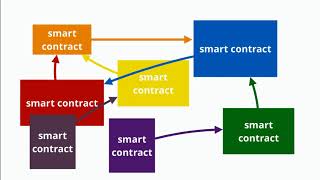 51mA Deal with the Devil: Breaking Smart Contracts