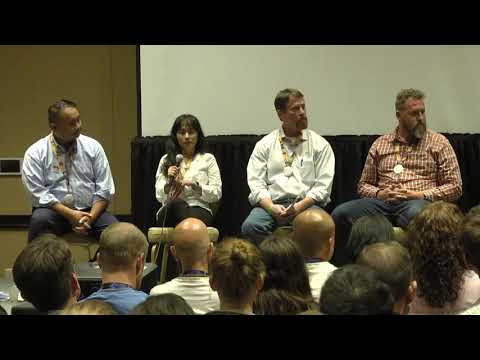
Panel
summary
DHS builds an EII-ISAC election day situation room and offers vulnerability scans, red teams and hunt teams; 50 states and about 1,900 local jurisdictions use some services. California spins up an Election Cybersecurity Office and a risk office, launches a voter-info website in five days and a paid anti-misinformation campaign in under three weeks. Microsoft releases ElectionGuard open-source toolkit for verifiable ballots; Synack offers free remote bug-bounty testing and Cloudflare provides free DDoS protection. Several states adopt risk‑limiting audits; detection tech for any tampering exists but wide deployment remains incomplete.
AI-written summary · about
chapters (19)
- 0:00Introduction
- 2:27Are we ready for 2020
- 5:22What weve done since 2016
- 9:19What is your role
- 13:53Are we better off
- 18:06Will the 2020 election be secure
- 25:43Whats the relationship like between you guys
- 27:10Is there always going to be a problem
- 29:53Will we be secure enough
- 32:30What is Synack
- 35:14Election Guard
- 40:35Security in the election
- 43:32Vulnerability disclosure programs
- 47:03What more can the hacker community do
- 48:53Is it illegal
- 50:50Changing votes
- 53:47Confidence
- 54:58Communication
- 56:27Questions