Continuing Evidence of Discrimination Among Local Election Officials
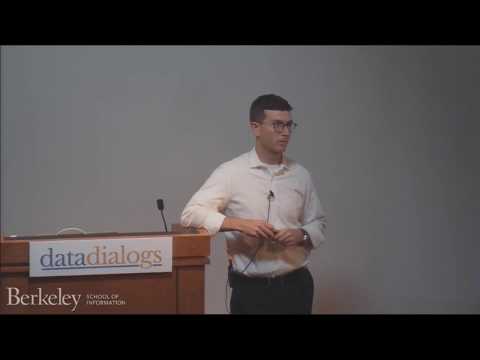
summary
An audit-style randomized email experiment contacts local election offices across 52 jurisdictions using 6,100+ emails and automated tracking pixels and 52 state scrapers to measure responsiveness; results replicate a 2012 Latino penalty (~3–4% lower response) and show a much larger penalty for Arab-sounding names (11.2% lower response for Arab names, versus no detectable difference for Black names). Political context matters: discrimination against Arab names increases in places that swung more Republican in 2016 (modeled effect reported as large).
AI-written summary · about
chapters (17)
- 0:00Introduction and project overview
- 5:40Research questions and experimental design
- 7:45Who are street-level bureaucrats
- 10:15Experiment setup and methodology
- 11:40Data collection and scraping process
- 13:08Response rates and initial findings
- 14:12Differential response by ethnic group
- 15:36Email open rates and bias mechanisms
- 16:59VRA preclearance areas and discrimination
- 18:24Voter ID requirements and responsiveness
- 19:28Section 203 and minority language areas
- 20:33Political climate and discrimination impact
- 21:38Republican vote share and bias increase
- 23:03Awareness of experiment and registrar reactions
- 24:47Response timing and robustness checks
- 25:51Policy solutions and systemic bias
- 26:37Q&A session