Unifying analytics – changing data architecture to unite BI and data science
summary
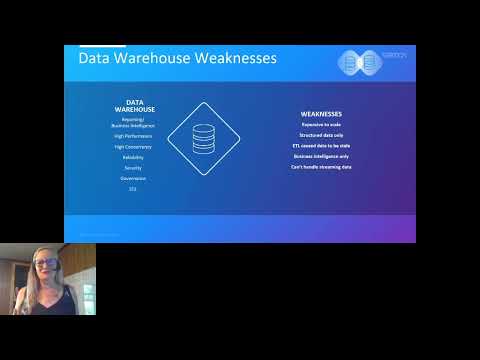
Argues that merging data lake and warehouse capabilities removes duplicate pipelines and makes deploying ML as routine as shipping a dashboard, using object storage (S3/MinIO), Parquet/ORC, and SQL-or-Python query layers. Describes workload isolation via subclusters and shipping trained models as frozen TensorFlow graphs or PMML into the analytics engine. Gives concrete wins: Philips uses seven years of data for predictive maintenance; The Trade Desk runs 50,000 reports a day with subclusters and sub-200µs query paths while using an in‑memory layer for 20ms needs.
AI-written summary · about