Diagnosing the Hurdles in the Medical Device Regulatory Landscape

summary
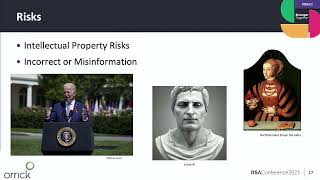
Regulatory hurdles center on concrete requirements and risks: the FDA has cleared 1,000 AI-enabled devices from 1995–2024, the EU classifies healthcare AI as high-risk under the EU AI Act, and manufacturers face conformity assessments, technical documentation, incident reporting and postmarket monitoring. Demonstrated attacks include image poisoning with tiny perturbations (e.g. 0.07 perturbation) that cause hallucinations, so firms must implement human-in-the-loop validation, regular bias audits, explicit data provenance, and faster patch timelines (six–12 months).
AI-written summary · about
chapters (11)
- 0:00Medical device regulatory hurdles
- 1:05AI in medical device innovation
- 2:52AI risks in development
- 5:44Human oversight necessity
- 7:35FDA rules for AI devices
- 9:43EU AI Act implications
- 13:35Innovation versus compliance
- 15:42Security rules and submissions
- 17:30Global AI regulations
- 19:37AI risks and supply chain
- 21:29Q&A
related talks
 35mRisks and Mitigations for a Safe and Responsible AI
 43mMedical Device Cybersecurity through the FDA Lens
 53mAI: Law, Policy and Common Sense Suggestions on How to Stay Out of Trouble
 38mWhat are the key regulatory challenges for AI and blockchain today?
 11mNavigating the EU RED IoT Security Maze: Standards, Compliance, and Hurdles
 39mDefensible Application Security for the Artificial Intelligence Era
 42mTesting Medical Software — Challenges and Opportunities
 42mForward Focus – The Impact of Artificial Intelligence