Gardeners, Artisans or Engineers... But Not Minstrels

summary
The talk examines minimum knowledge required for team members and how to capture engineering design and architecture decisions across a product’s lifetime. It compares ad-hoc, oral knowledge transfer (‘word of mouth’ or ‘juglares’) with scalable approaches to document runbooks, incident postmortems, onboarding materials and knowledge repositories to avoid silos and make it easy for new or junior hires to get up to speed.
AI-written summary · about
chapters (24)
- 0:00Introduction
- 1:26Minstrels in knowledge
- 3:11Team knowledge sharing
- 4:35Ephemeral teams problem
- 5:38Unique team worlds
- 7:26Talk goal: knowledge management
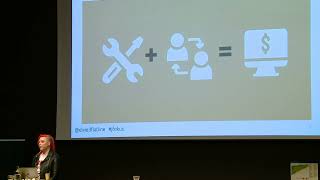
- 8:53Agile manifesto tools
- 10:18Team growth
- 11:41Company communication structure
- 12:23Knowledge lifecycle impact
- 13:46Onboarding new members
- 15:53Team improvement points
- 17:14External lib build software
- 20:47Company knowledge inventory
- 22:13Useful docs not bureaucracy
- 23:38Run books for ops
- 25:03Incident reports lessons
- 28:12Architecture Decision Records
- 32:24ADRs format utility
- 35:55ADRs practical examples
- 38:22Ubiquitous language processes
- 41:54Code conventions automation
- 44:00Architecture tests documentation
- 46:33Conclusion
related talks
 49mArchitecture is Designing Knowledge Flow
 28mLearning Out Loud: Cultivating a Culture of Learning on Engineering Teams
 42mThe Art of Engineering Diplomacy - Driving Significant Changes in Large Org.
 37mDungeons, Dragons & Developers
 09m"The Joys of Managing Engineering Teams"
 45mThe DevOps Revolution: We Haven't Always Known Everything
 22mEngineering led design
 44mBridging the Gap