Kubernetes Probes: What are they for and why you should always properly configure them

summary
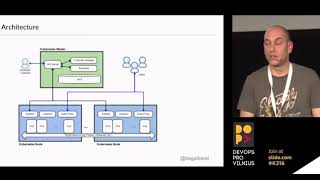
Explains that Kubernetes exposes three health checks — liveness probe, readiness probe, and startup probe — and shows concrete effects: using kubectl to inspect a deployment with a sidecar DB proxy, a misset startup probe (startup probe introduced in v1.20) causes a pod to fail then recover. Defaults and examples: probe period defaults to 10s, timeout 1s, example failureThreshold 3, one demo uses initialDelay 60s and startup allowed 20 failures. Warns misconfiguration causes crash loops and cascading restarts.
AI-written summary · about
chapters (10)
- 0:00Kubernetes probes intro
- 2:51Kubernetes components
- 6:05What are probes and types
- 8:35Liveness probes use cases
- 10:43Readiness probes purpose
- 12:51Startup probes differences
- 14:12Configuring probes in deployments
- 17:25Probes best practices
- 20:38Probes demo
- 25:00Q&A
related talks
 05mLightning Talk: Slow Starting Containers, How to Check Their Health?
 37mSelf-Healing Applications with Docker and Kubernetes
 33mPID 1, SIG Handling, Hooks & Probes: Managing Container Lifecycle Correctly
 43mRedesigning Kubelet Probes
 45mTroubleshooting containerized applications
 30mAfterlife tales: Troubleshooting containerized applications
 33mThe Gotchas of Zero-Downtime Traffic /w Kubernetes
 36mKubernetes Confessions: Real Mistakes We’ve All Made (and What They Teach Us)