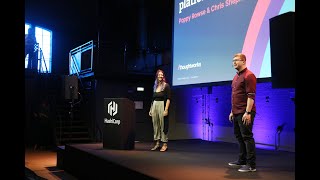
Keynote: The Socio-technical Elements that Make Good Platforms

summary
Platform engineering works when teams own code in production, are on call for it, and get tooling and permission to change things; Honeycomb moves from one platform team to many services as users grow, ships smaller change sets with separate deploys from releases and feature flags, and enforces pacing like a minimum rotation of five people and no more than eight–nine weeks between shifts. Observability-driven development, testing-in-production practices, and faster feedback loops are the concrete levers claimed to reduce toil and improve learning.
AI-written summary · about
chapters (9)
- 0:00Introduction
- 2:30Socio-technical systems
- 8:08Teams as units
- 14:05High-performing teams
- 20:29Platform complexity growth
- 27:51Operations feedback loop
- 36:26Fast feedback loops
- 43:05Tech empowers teams
- 48:30Q&A
related talks
 29mKeynote: Building Bridges with Platforms: The Role of the Platform Engineer
 15mKeynote Engineering Success The Blueprint for Effective Platform Adoption
 33mThe Platform Engineering Journey
 46mOrganizational Sustainability with Platform Engineering
 19mKeynote Talk: Platform as a Product: Are We Nearly There Yet
 29mNon-Technical Challenges of Platform Engineering
 41mOrganizational Sustainability with Platform Engineering
 27mFostering developer autonomy: Culture-driven platform engineering