Update Strategies for the Edge
summary
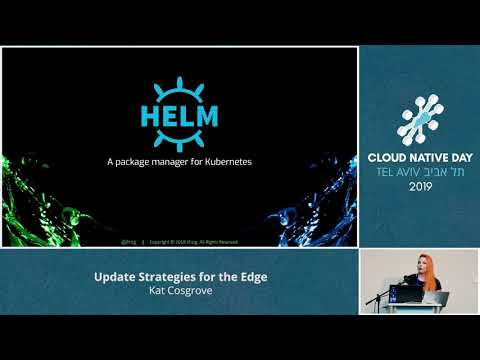
Edge fleets total about 20.4 billion devices and the talk claims embedded Linux updates become fast, safe, and scalable using a concrete stack: k3s + Helm for app updates that deploy in ~35 seconds to deploy; firmware uses dual A/B with Mender for signed, verifiable OTA and instant rollback; builds use Yocto build cache speeds up 50% via Artifactory. Result: app updates that don’t interrupt users, firmware updates that complete in minutes, automatic rollback on failure, and smaller, tailored OS images.
AI-written summary · about
chapters (11)
- 0:00Introduction to edge updates
- 1:04Why edge updates are hard
- 4:15Challenges in updating devices
- 6:23Designing updatable devices
- 8:10Cars as edge devices
- 9:57Proof of concept demo
- 10:58Software update workflow
- 13:45Firmware update workflow
- 16:37Optimizing Yocto builds
- 18:24Testing with LAVA
- 20:33Summary and tools recap
related talks
 31mUpdating the Edge
 31mUpdating the Edge
 45mSoftware Updates for Connected Devices: Key Considerations
 17mAccelerating Development and Deployment of Updatable Linux-based Edge AI devices in the CRA era
 45mSoftware Update for IoT: The Current State of Play
 56mComparison of Linux Software Update Technologies
 36mThe Challenges of Maintaining an Edge Deployment at Scale – and How StarlingX Solves Them
 50mDeveloping (on) for the Edge