How the Habitat-operator Brings Habitat Awesomeness to...

summary
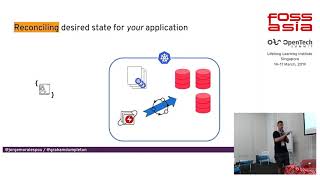
Habitat artifacts get exported to Docker images and a Kubernetes CustomResource of kind Habitat declares image, count and topology so the operator creates StatefulSets, mounts a base64 user.toml from a Kubernetes secret, and manages a supervisor ring by writing a peer watch file of peer IPs so leader topologies work; demos show Redis keeps data across pod restarts and a three‑node leader/replica setup is created and updated by the operator and the service broker integration registers nginx and redis via the Service Catalog.
AI-written summary · about
chapters (26)
- 0:00Start
- 0:13How the Habitat Operator Brings Habitat Awesomeness into Kubernetes
- 2:24What Is Habitat
- 3:15Typical Plan File
- 3:59Habitat Studio
- 7:28Kubernetes
- 10:30Deployments
- 11:09Kubernetes Stateful Sets
- 11:32Unique Network Identifiers
- 12:05Namespaces
- 12:37Kubernetes Volume
- 14:18Overview of the Kubernetes Operator
- 15:52Kubernetes Secret
- 18:51What Is Specific Use Case that the Habitat Operator Solves
- 21:42Deploy the Habitat Operator
- 22:12Rbac Yaml File
- 23:18Stagers of the Habitat Operator
- 29:09How Would Using the Habitat Operator Make Make Things Any Different from What We Are Doing
- 30:20Why Would You Use Kubernetes with Habitat
- 32:34Service Catalog
- 33:38Service Binding
- 34:07What Benefits You Get while Using the Hybrid Server Operator Operator
- 37:07Available Services
- 38:51Create a Service Binding
- 39:47Kubernetes Secret Object
- 40:51Create a Kubernetes Service
related talks
 44mKubernetes & Habitat
 42mBuild Your Kubernetes Operator with the Right Tool!
 53mAutomating Stateful Applications with Kubernetes Operators
 33mKafka Operator: Managing and Operating Kafka Clusters in Kubernetes [A]
 21mOperators for Beginners
 41mDocker to kubernetes: running Hadoop in a cloud native way
 01h 29mTutorial: Deep Dive into the Operator Framework for Kubernetes
 40mOperate Kubernetes workloads: extend the platform with the operator pattern