Memtable Pluggability and Alternate Memtables (CEP-11 & CEP-19)

summary
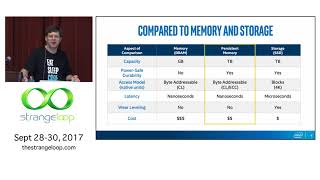
CEP-11 pluggability lets Cassandra swap memtable implementations and CEP-19 replaces the partition map with a byte‑order trie memtable using key translation; microbenchmarks show ~1.8× faster random access, ~2.5× faster bulk writes on 10M entries and sustained peak write throughput >2×, with ~30% lower latencies and >2× reduction in GC time. A sharded skiplist improves multicore scaling, the trie can go off‑heap shrinking memtable footprint (roughly from ~6 GB to ~4–4.5 GB), and a persistent memory memtable variant never flushes (no commit log), enabling a full on‑memory storage engine replacement.
AI-written summary · about
chapters (11)
- 0:00Memtable pluggability intro
- 2:36Why memtable pluggability matters
- 6:25Legacy skip-list memtable
- 8:40Sharded memtable for multi-core
- 10:16Trie memtable and byte-order keys
- 15:31Trie memtable performance gains
- 19:54Sharding impact on performance
- 21:21Persistent memory memtable with Intel
- 25:12Trie-based SSTable formats in Cassandra 5
- 28:20Enabling Cassandra 5.0 features
- 30:18Q&A
related talks
 25mMemC3: Compact and Concurrent MemCache with Dumber Caching and Smarter Hashing
 43mPromise and Pitfalls of Persistent Memory
 36mApplications of Tries in Apache Cassandra
 14mSEPH: Scalable, Efficient, and Predictable Hashing on Persistent Memory
 06mEarly experience of Utilizing Persistent Memory for Database... (Work-in-Progress Report)
 31mReimagining the Future: Where the Market is Evolving
 20mCastle-enhanced Cassandra
 43mImproving scalability; Reducing overhead in shared memory