JavaScript, Cyber-abuse and the Illusion of Privacy

summary
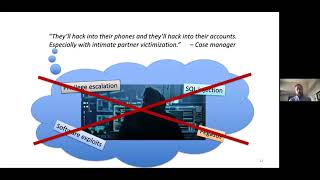
Argues that common JS-era defaults — lax per-device logs, universal privacy toggles, and treating a successful login as unimpeachable — actively enable stalking and impersonation, citing studies where 70–99% of crime victims also face tech abuse and an Australian estimate of 99% escalation to violence. Recommends concrete fixes: access links (per-resource expirable keys like OAuth + Google Docs), sub-identity tokens plus device-specific logs, delayed/coarse GPS and photo verification, AI to flag suspicious log edits; warns that editable history backfires by making evidence untrustable.
AI-written summary · about
chapters (7)
- 0:00Introduction and motivation
- 4:12Default trust and its dangers
- 8:41Trade-offs in privacy features
- 15:18Tech abuse is preventable
- 20:12AI and granular privacy controls
- 23:42Re-examining defaults
- 24:36Q&A on JavaScript and privacy
related talks
 20mYour Smart Home, Their Weapon: The Hidden World of Tech Abuse
 41mFundamentally Flawed: Privacy, People and the Age of Data
 58mKeynote Address: Mitigating Technology Abuse in Intimate Partner Violence
 25mImproving Safety with Privacy: An Exploration of Privacy...
 47mSecuring Sexuality: Rewiring the Most Intimate Connections
 14mGloom, Doom, and the Internet
 01h 02mWeaponizing Technology: Examining the Importance of Privacy...
 52mPhilosophizing Security In A "Mobile-First" World