Hunting Asynchronous Vulnerabilities
summary
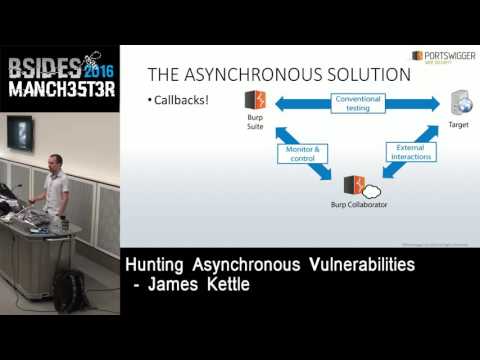
Shows a reproducible method: send exploit-induced callbacks (usually DNS) and wait for the server to ping back. Uses Burp Collaborator or self-hosted wildcard DNS with unique subdomains, finds blind second‑order SQLi that replayed a free £1,000 order, cronjob/async log command injections, XXE via Oracle XML parsing, PostgreSQL COPY ... PROGRAM to run shell commands, SQLite/Windows UNC and macOS /net NFS lookups, and a compact blind‑XSS polyglot. Notes false positives from security appliances and that callbacks fail silently without carefully engineered payloads.
AI-written summary · about
chapters (15)
- 0:00Introduction to async vulnerabilities
- 3:19Why async flaws are invisible
- 7:00Using DNS for callbacks
- 8:25Challenges with callback exploits
- 11:57XML injection techniques
- 13:02SQL injection via callbacks
- 17:35MySQL file I/O tricks
- 21:38Command injection payloads
- 23:53Blind XSS polyglot payload
- 28:15Unconventional async attack surfaces
- 29:38Analyzing Piwik logs
- 33:57Other obscure vulnerabilities
- 34:40False positives and scope
- 36:25Key takeaways and demos
- 37:15Q&A session