AWS Security for Builders: Best Practices
summary
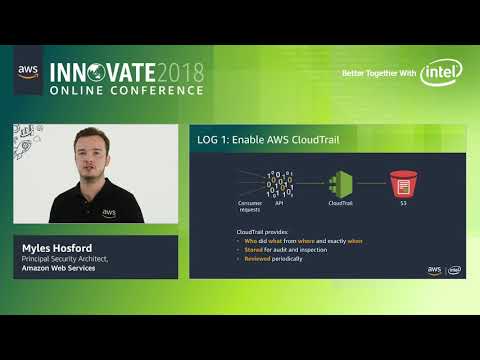
Lists 15 concrete controls across five domains: identity, logging/monitoring, infrastructure, data protection, and incident response. Calls to lock down root, create individual IAM users, enable MFA and replace long‑lived keys with temporary security credentials via STS/role assumption. Requires CloudTrail trails, Amazon GuardDuty, and CloudWatch events + SNS to push findings into Slack/JIRA for automation. Recommends Systems Manager patching, VPC private subnets and security groups, Route53/CloudFront/WAF/Shield for DDoS, KMS + S3 policies and Secrets Manager, plus tested backups/snapshots and an exercised incident response plan.
AI-written summary · about
chapters (21)
- 0:00Intro
- 0:21What to expect from this session
- 0:56Introduction
- 1:44AWS Cloud Security Epics
- 2:29AWS Native Security Services
- 3:49Do not use 'root' account
- 4:53Enable MFA
- 6:04Restrict Long Standing Access Keys
- 7:52Enable AWS Cloud Trail
- 8:52Enable Amazon Guard Duty
- 10:19Build Automated Notifications
- 11:25Patch Your Systems
- 12:24Reduce Your Attack Surface
- 13:57Create a DDoS Resilient Architecture
- 16:52Encrypt Everything
- 17:54Implement Strong Access Control
- 18:56Do not Store Secrets in Clear-Text
- 20:19Have a Plan & Test It
- 21:13Backup and Restore
- 22:28Personal Health Dashboard & Trusted Advisor
- 24:00Sources of Best Practices