From Atari to XR: Gaming Through the Generations
summary
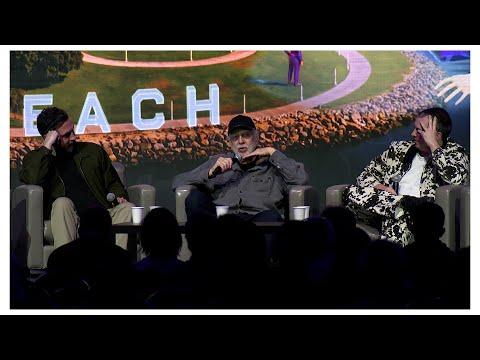
Lineage from Pong to modern XR maps to concrete designs and failures: Atari and arcade lessons drive Parcarde-style controls and Polycade cabinets, Dream Park builds thousand square feet Dream Park playable spaces, and Coin Crew ships location-based titles with weekly playtests (four groups) to tune menus and first wins. Hardware tests show Android XR Muhan hand tracking parity with Quest and a growing hold-to-face headsets pattern that reduces setup time. Claims include education startup Exodexa asserting immersive learning can compress four years of high school into months, and demos where ~50% of users try to kick real inflatable props. easy to learn impossible to master
AI-written summary · about
chapters (24)
- 0:00Introduction and future of entertainment
- 1:04Atari origins and happy accidents
- 2:07Evolution of game design and mechanics
- 3:11Hardware and design language in XR
- 4:16Social experiences in XR and public spaces
- 6:27Lessons from arcade model for XR
- 9:15Accessibility and casual gaming in XR
- 12:27Constraints shaping XR technology
- 14:52XR beyond entertainment and education
- 17:41Casual vs hardcore gamer debate
- 20:50Demographics and accessibility in XR
- 22:38Maturity of XR industry
- 23:23Best VR experiences and haptics
- 26:11Industry lessons and failures
- 29:43Future of VR and the Matrix
- 31:11Friction in VR adoption and competition
- 32:38Creating fun and frictionless experiences
- 34:25Wii and Just Dance nostalgia
- 35:33Hardware flexibility and modular interfaces
- 37:40Philosophies for creative process
- 40:07Playtesting and iteration in game design
- 41:11Drive and finishing creative projects
- 44:00Risk-taking and experimental philosophy
- 44:42Book promotion and closing remarks