4 identity factors you didn't know you needed to support in your SaaS.

summary
Four concrete identity requirements for landing large customers: support multi-tenancy with per-customer branding and org objects, implement granular authorization (RBAC/ABAC or Google‑style relationship-based RBAC for project‑level and time‑limited access), enable enterprise federation (Google Workspace, Azure AD, Entra) plus automated onboarding/offboarding, and enforce security (email verification, passkeys, SMS or hardware MFA, risk‑based prompts) with audit logs. Demo shows an admin portal built on Auth0 Management API using the Organizations feature that lets customer admins self-serve tenant setup and works end‑to‑end.
AI-written summary · about
chapters (10)
- 0:00Supporting large orgs in SaaS
- 1:30SaaS evolution for enterprises
- 4:48Four identity factors
- 6:40Multi-tenancy for UX
- 8:50Authorization models
- 12:50Enterprise federation
- 13:53Security for compliance
- 15:44Delegating admin settings
- 17:52Demo: customer admin portal
- 21:46Summary
related talks
 22mLearn to Navigate the Perils and Pitfalls of Multi-Tenant Identity...
 28mBuilding Identity for an Open Perimeter
 46mHow to Adapt to Security Changes in Cloud SaaS Transformation
 39mCan Saas Ever Be Secure?
 24mThe Great Balancing Act: Security, UX, and Identity
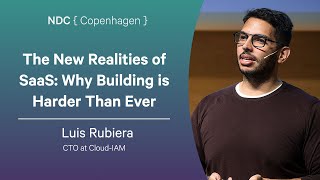 01h 02mThe New Realities of SaaS: Why Building is Harder Than Ever
 12mOptimizing Multi-Tenant SaaS
 31mEnterprise Identity Management on Rails