From cloudy to clear: Greening with IT
summary
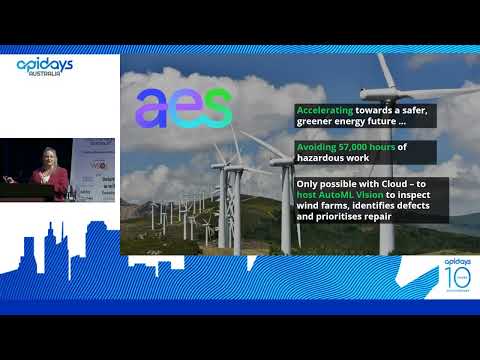
Cloud moves on‑prem workloads to platforms that the presentation measures as ~5x more energy efficient and up to 98% more carbon efficient, with a Deloitte estimate of ~$96 trillion economic loss by 2050 if no climate action and a regional $160 billion GDP boost by 2024 from cloud use. Concrete builds include Lush Lens (cloud AI identifying handmade soap at scale), UPS route optimization (ML using ~1 billion daily data points, saving $400M and ~39M liters fuel), drone inspections, and proofs that audits cut a page’s carbon by 51% and a retailer’s APIs by 0.5 billion calls/day.
AI-written summary · about
chapters (20)
- 0:00Introduction and speaker background
- 1:06Why carbon dioxide matters in IT
- 2:11Economic impacts of climate action vs inaction
- 4:15Australia's climate performance and cloud benefits
- 5:39Greening IT with cloud technology
- 7:26APAC sustainability gap and cloud potential
- 8:10Business climate strategies and cloud use cases
- 9:36Real-world cloud sustainability examples
- 12:23Drones and agricultural productivity
- 14:13Future of cloud and sustainability adoption
- 15:16Key actions to leverage cloud for sustainability
- 18:46Global Sustainable Digital Challenge overview
- 20:31ICT industry carbon footprint and Jevon's paradox
- 22:39Sustainable Digital Challenge results and examples
- 27:31Challenge impact on company culture and hiring
- 33:09Q&A: Short-term business benefits of sustainability
- 37:22Q&A: Carbon offsets and cloud provider responsibility
- 39:08Q&A: Risks of moving to cloud without optimization
- 40:36Q&A: Observability and data in cloud sustainability
- 44:47Closing remarks and call to action