The Pursuit of Quality
summary
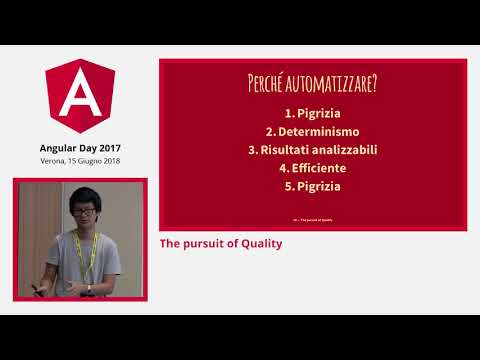
Focuses on making software quality actionable by choosing measurable, automatable metrics and enforcing them early in the pipeline. Recommends using TypeScript/Angular linting (TSLint/ESLint, Microsoft rule-set), CI gates (CircleCI/Travis), Istanbul for coverage, Lighthouse for performance, Jest for unit tests, Cypress (with video) for end-to-end testing, and Puppeteer for headless profiling; advises to "measure what matters," notes 30–40% test coverage is easy while 90–100% is costly, and stresses automating checks in CI so bad commits fail before reaching users.
AI-written summary · about
chapters (16)
- 0:00Software quality intro
- 1:10Verification first step
- 4:58What to measure
- 8:13Effective metrics
- 11:46Automate for quality
- 18:33Linters and pre-commit
- 24:36Alternative tools
- 31:28Test types
- 34:20Handling errors
- 36:07Coverage limits
- 39:17Efficiency metrics
- 45:24TypeScript best practices
- 51:05Browser compatibility
- 52:54Quality as team effort
- 57:54Code review human side
- 1:00:23Quality culture
related talks
 26mModern Testing Practices in Frontend Applications
 35mWhy Software Engineers Should Make Quality a Priority
 22mQualityOps–Left Shift Customer Success With A Thriving Quality Engineering Ecosystem
 47mEverything I know about writing quality software
 14mThinking of Quality as developer productivity tool
 28mSome small steps for code, One giant leap for quality
 30mWait, before you write your next test...
 46mFull Court Quality: Lacing Up for Speed, Stability & Style