The Future of AlmaLinux
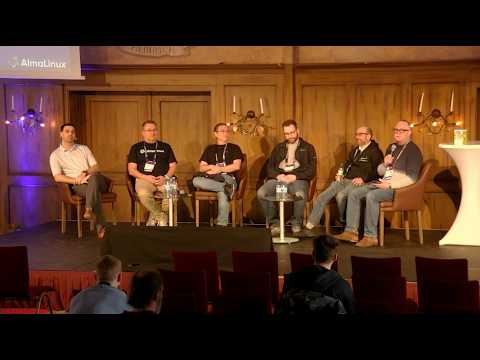
summary
AlmaLinux focuses on a stable, long‑lifecycle distribution with concrete work: automation for multi‑arch builds (now six architectures and three majors), a shift from a bug‑for‑bug rebuild promise to ABI/API stability, and production practices like SBOMs since 2022 and mirror sponsorships. The project already landed vendor support (including NVIDIA certification), sped up firewallD investigations by ~30×, and rapidly patched a trivial privilege‑escalation exploit for hosts. Main risks are sustaining contributor engagement and scaling QA as versions and architectures multiply.
AI-written summary · about
chapters (14)
- 0:00Introduction and panel setup
- 1:11Project mission and goals
- 3:18Community engagement and contributions
- 15:18Hosting industry needs
- 20:12CERN’s requirements for AlmaLinux
- 22:19VFX industry demands
- 23:46Future challenges for AlmaLinux
- 30:51AI versus human coding
- 46:24AI copyright and regulation
- 50:19Community support and advocacy
- 54:33Academic outreach opportunities
- 58:21Incentivizing private contributors
- 1:00:26Cyber Resilience Act impact
- 1:04:43Closing remarks and thanks
related talks
 12mAlmaLinux the First Three Years and Beyond
 17mAlmaLinux and the Open Source way
 27mAlmaLinux: One Year of Progress with a Focus on...
 33mThe Future of AlmaLinux: Collaborating on Development and Adoption from Japan
 16mAlmaLinux in brief
 32mALESCo, corporate contribution, and the way forward
 32mAlmaLinux in Japan: Progress and Achievements Over the Past Year
 35mBridging Business and Open Source