Agents in Production: How OpenGov Built and Scaled OG Assist

summary
OpenGov describes a production AI assistant called OG Assist that runs across thousands of state and local governments, built on an Effect-native agent loop in TypeScript and replacing LangGraph to gain tracing and structured concurrency. The stack uses the A2A protocol, automated CI evals plus thumbs-up/down feedback, deterministic human approvals for sensitive tool calls, sandboxed code execution that can generate artifacts (PDFs), rolling summarization for long context, and monitoring/traces.
AI-written summary · about
chapters (15)
- 0:00OG Assist and OpenGov intro
- 2:08What is OpenGov and OG Assist
- 3:33OG Assist origin story
- 4:35Bet on Effect framework
- 5:40Effect Native Agent Loop design
- 7:46Agent-to-Agent protocol benefits
- 9:09Feedback collection and evals
- 10:36Humans in the loop for safety
- 11:17Sandboxing secure agent actions
- 12:44Long context in agent convos
- 14:06Generative UI for interfaces
- 15:11Tracing with Effect
- 16:37Building tools with Effect
- 17:41AI for dev workflows
- 18:23Closing and call to action
related talks
 41mGoing beyond copilot with AI Agents
 16mWhat Comes After AI Coding Assistants
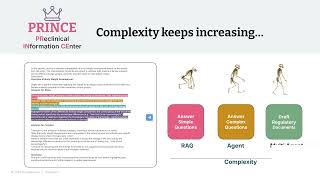 36mBuilding Agentic AI Assistants: Lessons from productionising agents in Preclinical R&D
 40mAI Agents in Practice
 27mThe accidental AI revolution
 26mAI powered automation & multi-agent orchestration
 38mBuilding AI Agents and Assistants for DevOps Workflows
 01h 42mBuilding Responsible AI Agents in Decentralized Open-Source Environments