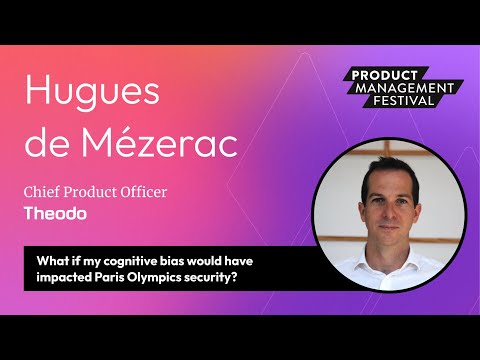
What if my cognitive bias would have impacted Paris Olympics security?
summary
A security platform built for the Paris Olympics includes an AI suspect tracking flow that fails in preprod because compressed CCTV streams and bandwidth break face detection, revealing the team prioritized UX over video pipeline risk. A self‑service car rental rollout targets business travelers but actual users are holiday tourists, delaying product‑market fit by two years. An AXA climate‑risk SaaS called Altitude lands clients and projects €3M ARR yet beta users don’t convert due to familiarity bias. Remedies: timebox trivial debates, diversify research, rotate teams, and enforce 50% assumption invalidation in Discovery.
AI-written summary · about
chapters (6)
- 0:00Introduction to Hugues de Mézerac and His Role
- 2:30Personal Connection to the Paris Olympics and Cognitive Biases
- 6:45Understanding the Bike Shed Effect in Product Decisions
- 12:30Story 1: Security Platform Challenges for Large Events
- 18:00Cognitive Biases in AI-Powered User Flows
- 25:00Lessons from Failures in B2B Product Discovery
related talks
 40mThrough Your Mind’s Eye: What Biases Are Impacting Your Security Posture?
 50mSecurity as Part of Responsible AI: At Home or At Odds?
 53mOptimistic Security
 24mTechnical Tracks
 40mOptimistic Security
 26mSafeguarding AI: How to Manage AI and its Potential Risks
 28mAlgorithmic Bias: Data as a Weapon with Ayodele Odubela
 12mThe Comfort Trap: Getting Too Used to AI