A Decade of Modern JS and the Rise of Serverless Fullstack

summary
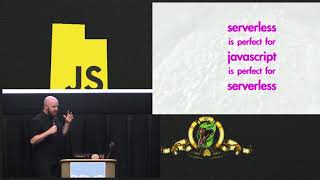
Argues that serverless moves from hype to infrastructure by naming concrete milestones: S3 and SQS (2006), Lambda (2014), DynamoDB’s ~10 ms latency (2012), API Gateway websockets and per‑millisecond billing, and Cloudflare Workers/Fastly edge runtimes. Claims these primitives let teams outsource ops and focus on business logic, reports Datadog finding front‑end developers drive adoption, and notes serverless becomes “boring” by 2023 because it actually works at scale for evented backends and fan‑out workflows.
AI-written summary · about
chapters (13)
- 0:00Introduction
- 1:29Modern JavaScript overview
- 3:40Browser wars and early JS
- 7:47Web 2.0 and JavaScript renaissance
- 10:18Promises and frameworks explosion
- 13:16Async/await and modern tooling
- 15:47What is Serverless?
- 17:16Serverless primitives and history
- 19:25Lambda and API Gateway revolution
- 21:11WebSockets and advanced features
- 22:56Serverless adoption trends
- 23:37Human progress and tech evolution
- 24:40JavaScript fatigue and takeaways
related talks
 31mThe Evolution of Serverless: Past, Present and Future
 58mServerless - the brief past, the bewildering present, and the beautiful (?) future
 49mThe Past, Present, and Future of Serverless
 41mWhy the fuss about serverless
 48mThe future will be Serverless
 37mNo Side JavaScript and the serverless Revolution
- 41mWhy the fuss about serverless
 40mWho Needs Serverless?