Money Without Borders: Bitcoin and Human Rights
summary
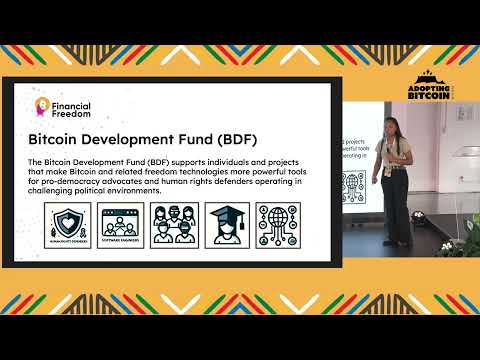
Africa’s intra‑continental trade sits around 15% intra‑African trade, and fiat currencies act like visas—example: a Nigerian naira is useless across many borders. Human-rights groups fund a Bitcoin Development Fund that has supported over 300 projects (developers, educators, translators, circular‑economy pilots). Concrete tools used: Lightning as settlement, wallets like Satoshi, apps such as Tando and MoneyBadger. A recent Tanzania internet shutdown shows a mother crossing into Kenya then receiving Bitcoin through Tando, proving uncensorable, cross‑border value transfer works in practice.
AI-written summary · about
chapters (10)
- 0:00Money without borders intro
- 1:05African currency barriers
- 3:14Authoritarian financial weaponization
- 6:05Bitcoin for activists
- 8:56Human Rights Bitcoin Fund
- 10:24Tanzania internet shutdown
- 12:10Bitcoin’s real-world impact
- 14:18Bitcoin for Africans
- 15:43African Bitcoin developers
- 16:11Call to action
related talks
 13mBitcoin Empowers Africa and Africans Empower Bitcoin
 31mMoving Money: Could Digital Currency Impact Global Remittances and Financial Inclusion
 52mSovereign Countries & Bitcoin
 35mThe Future of Money
 32mEthics, human rights and blockchain
 46mNational Approaches to Regulation
 46mBitcoin and the Law
 54mDigital Assets in Finance and Business: Trends and Future Vision